Top Event Photographers in Boston
Plan Boston event photography with current venue names and a clear image purpose. Menino and Hynes examples for clients hiring and photographers applying.
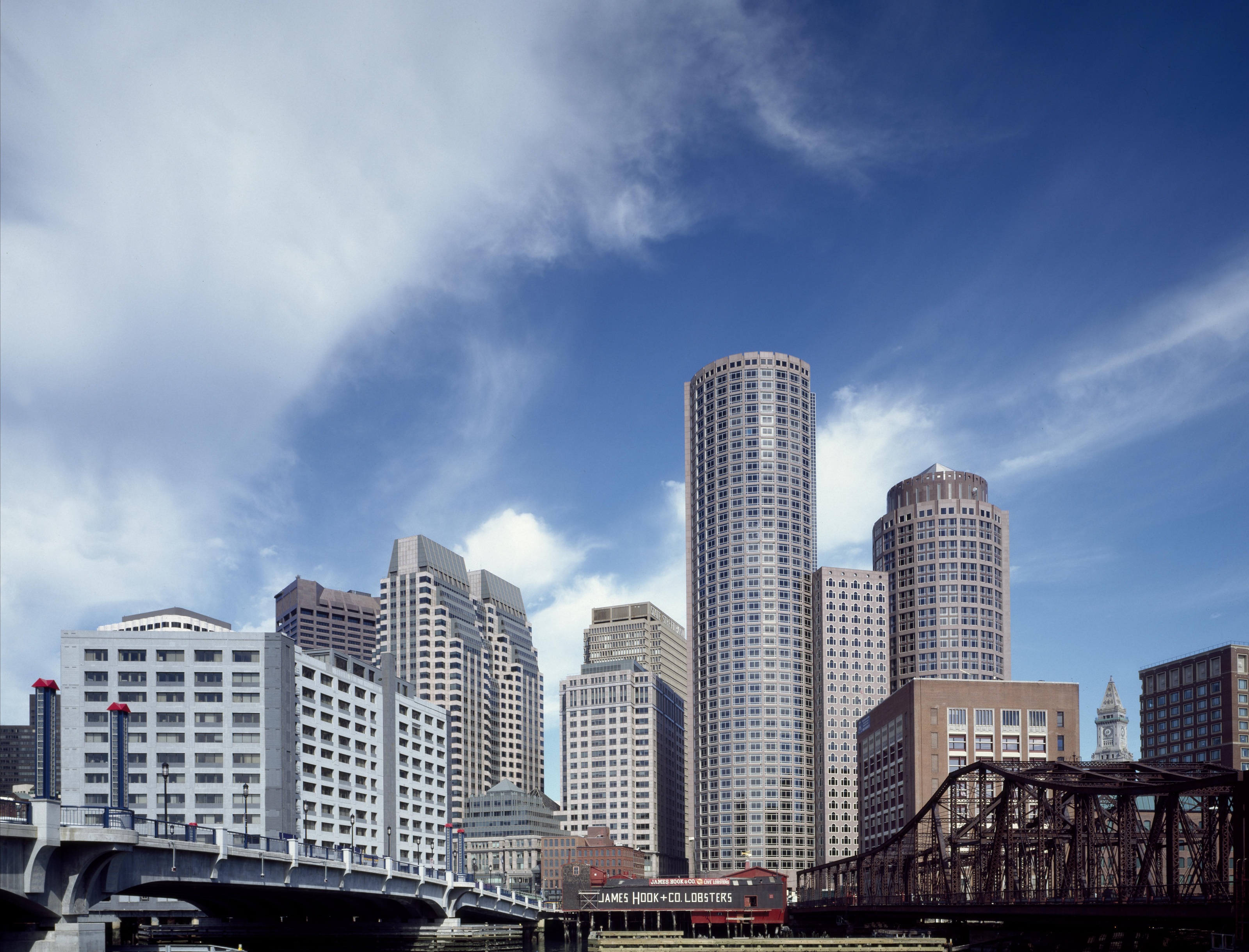
Photo: Carol M. Highsmith / Library of Congress. No known restrictions on publication. Resized.
An organizer can ask for a record of an event and mean two different things. One record explains the program in order. The other preserves the people and relationships that made it matter. I would ask which is most important before choosing a Boston event photographer, then decide how the commission can support both.
That distinction helps avoid a gallery that follows every speaker but misses the participants, or one full of social interaction with no clear account of the program. The solution is not automatically more photographs. It is a brief with a visible purpose and a realistic division of attention.
The examples below use current official descriptions of the Thomas Michael Menino Convention and Exhibition Center and the Hynes Convention Center. They are hypothetical programs, not open jobs or accounts of my own shoots. This guide helps organizers compare evidence and photographers prepare a specific response, without pretending to rank individual photographers by a title alone.
Begin with the current venue identity
The Massachusetts Convention Center Authority announced the renaming of the Boston Convention & Exhibition Center as the Thomas Michael Menino Convention and Exhibition Center. Signature Boston now identifies the facility as MCEC, even though its page address still contains bcec. A current brief should make the intended property clear instead of relying only on a familiar older label.
Hynes is a separate facility. Its official floor-plan page describes exhibit halls, meeting rooms, a multi-purpose auditorium with a built-in balcony, a ballroom, and other spaces. A general Boston convention inquiry does not tell a crew which property or room it means.
I would use the current name, address supplied for the assignment, booked room, and organizing contact. If a reference is ambiguous, resolve it before providing working directions or confirming availability. A naming correction is helpful, but it does not establish the event's layout or a photographer's permission to enter.
Record one: what happened in the program?
Imagine a professional gathering with presentations, questions, and recognition. The client may need a coherent account for internal records and a small public selection. Ask which portions require complete coverage and which can be represented through a shorter visual sample.
A photographer should not have to infer that hierarchy from the duration of each session. A brief introduction can contain the most important announcement. A long routine discussion may need only selected images. The organizer knows what makes the program meaningful and should explain it.
Put the essential moments on a timeline. If a required group or another session overlaps the main presentation, decide how to handle the conflict. One person cannot provide uninterrupted simultaneous coverage in separate places. A clear priority or staffing choice is stronger than an unlimited promise.
At MCEC, the actual room plan controls the task
Signature Boston describes MCEC exhibit space, meeting rooms, and a Grand Ballroom overlooking the Seaport. Those categories help frame questions without establishing a client's final configuration. The photographer needs the actual booked room and approved current diagram.
If the client wants the ballroom setting visible, ask how that purpose fits the presentation record. A broad room image can show context while making a particular subject small. A tight speaker image can preserve expression while saying little about where the gathering happened.
Review a permitted sequence that balances those needs. Look at continuity across speakers and ordinary moments rather than judge the service by one striking frame. A highlight demonstrates selected ability; a complete authorized example helps test sustained attention.
At Hynes, the auditorium's flexibility needs explanation
The Hynes operator describes its auditorium as multi-purpose, with a built-in balcony and possible exhibit or general-session uses. Those are facility options, not the setup for the commissioned event. Ask what is actually installed and which positions are approved.
The existence of a balcony does not grant a photographer permission to use it. Nor does a green-room reference authorize backstage work. The event contact should settle working access and any restrictions before a proposed angle becomes a promise.
If the program changes between uses, explain the transition. A photographer may need to remain with an essential activity rather than leave to prepare another location. The proposal should describe the actual coverage level at each stage, not assume a flexible room makes all tasks compatible.
Recognition needs a convention for the photograph
If recipients should pause with the presenter, the host needs to communicate that expectation. A natural exchange and a held presentation portrait require different cooperation. The photographer cannot silently make the same moving program deliver both on demand.
Provide the final recognition order and a reliable names source. If substitutions occur, name the contact who informs the crew. A photographer should not guess which person received an award from an outdated printed program or a badge fragment.
If the client prefers uninterrupted candid coverage, say that. The photographer can focus on the exchange and reaction. Neither approach is inherently right for every Boston program; the important point is that the host, photographer, and organizing team share the decision.
Record two: who connected with whom?
Now imagine the same program includes a reception. The client may need relationships among colleagues, partners, or supporters preserved. The presentation record alone cannot guarantee those images. Put the important people and opportunities into the brief.
Assign a contact who recognizes required subjects and can make introductions. An unfamiliar photographer cannot infer a leadership role from seating or identify a partner from an organization name. The organizing team's knowledge is part of making the commission work.
Describe whether the desired image is observed interaction, an arranged group, or both. A clear logo photograph does not necessarily show a partnership. A busy crowd can establish atmosphere without identifying the people the client specifically requested.
Formal combinations should have a finite purpose
One shared portrait is different from a long sequence of departments and guests. Choose the essential combinations and explain their intended use. Each extra request can sound quick while collectively removing time from observation.
Give the groups a confirmed moment and a gathering contact before people disperse. A photographer can arrange subjects without knowing the whole roster, but someone needs to recognize missing participants. A late call after the program ends may be too late for an essential person.
If the preferred background is unavailable, use an approved alternative that protects the purpose. A record of the people together may matter more than a specific architectural feature. If the location itself is essential, state that condition before accepting the proposal.
MCEC's outdoor option is a question, not a permission
Signature Boston identifies The Lawn On D as an outdoor event or break-space option associated with MCEC. Its appearance on the facility page does not confirm inclusion in a particular booking, access for a crew setup, or participant availability there.
If a client wants a required outdoor photograph, settle the actual use and an alternative with the organizer. Do not make an essential result depend entirely on a preferred setting whose permission remains unresolved. The photography plan should preserve the commissioned purpose when an optional location changes.
This guide does not promise weather, a seasonal look, or an automatic way to move participants. The actual event needs current instructions. A venue's public description supports planning questions without answering them all.
Hynes' ballroom and meeting spaces need their own plan
The Hynes page describes a ballroom with vaulted ceiling and natural light, flexible subdivisions, and supporting pre-function space. It also distinguishes meeting rooms and an executive boardroom. Those are not interchangeable settings simply because they share a facility.
Ask which room is booked for the gathering and how the program uses it. If a portrait station is proposed, have the photographer describe its footprint and how subjects reach it. Portable lights and backdrops still occupy working space and require an approved arrangement.
A fixed portrait setup and uninterrupted reception coverage elsewhere cannot both be continuously performed by the same person. Sequence the tasks or discuss another photographer. The proposal should reveal the division of work instead of leaving the client to assume both happen without tradeoff.
Connect the two records before the event
The program and relationship stories should share one working timeline. Mark the points where the same person or photographer is expected in two places. Resolve them through the organizer rather than leave the conflict to whichever guest asks most firmly during the event.
Name the person who can approve changes. A speaker, partner, or another department may make a reasonable extra request without authority to redirect commissioned coverage. The photographer should explain what would be displaced and obtain an authorized choice.
If a session, room, or group moment moves, update the version the crew follows. A later instruction in a separate conversation can make a carefully prepared plan obsolete. The photographer should acknowledge any change affecting coverage, equipment, or staffing.
The subject of an image is not the same as its audience
An image made for a private record may need another decision before public distribution. Tell the photographer the intended uses: internal communications, public announcements, participant sharing, partner material, advertising, or another purpose. File delivery alone does not define every right.
If review is required, identify the reviewer and what they decide. Names verification differs from confidential-content approval. The crew needs a practical route for photographs that should wait rather than a vague instruction that someone will check them later.
Discuss the photographer's promotional use separately. A private gallery does not automatically approve a public portfolio post. Preserve restrictions on displayed work, presentations, and participants beyond the event itself.
Evaluate whether the two records belong to the proposed service
I would ask the photographer to walk through an authorized full gallery as two stories. First follow the program: the opening, presentations, recognition, and conclusion. Then follow the people: who arrives, who interacts, who is identified, and how the formal groups fit. If both are needed for the new job, the example should provide evidence for both.
This review can expose a mismatch hidden by attractive favorites. A set might be strong on the podium but sparse on relationships. Another might be full of comfortable people while leaving the program unclear. Neither is automatically poor work. The question is whether it supports the balance this Boston client is commissioning.
Ask the applicant to describe their contribution if the example involved a team. A photographer may have made the relationship images while a colleague kept stage continuity. That is honest, useful evidence for a role. For the new assignment, specify the attending people and who carries each required story.
A reference can explain how the balance changed
I would ask a former client about one new request that competed with the original program. What did the photographer explain? Did the organizer understand what would be displaced? The answer tests judgment without requiring another client's restricted photographs or private guest roster.
A confidential full set can remain confidential. An authorized substitute, discussion of the method, or relevant reference may still help establish fit. Pressuring someone to expose an earlier client's material would undermine the very trust a new organizer needs.
Exact MCEC or Hynes experience can help orient preparation, but a previous visit is not a permanent approval. The current program may use a room differently. A photographer new to it can prepare well by asking for the correct diagram and working instructions. A familiar one should make those checks too.
Read the written offer as a balance of attention
The offer should say whether the presentation is followed continuously and which interactions are selected. If portraits are included, ask how they are sequenced against the program. If another person makes them, identify that responsibility. The words event coverage should not conceal a second service that the staffing cannot support.
Ask what remains conditional. A group may need the honorees to stay. A Lawn On D idea may need approved use. An auditorium angle may need a permitted position. Put the question and responsible contact beside the proposed result instead of allowing an appealing idea to become a promise through repetition.
If a condition cannot be met, the applicant should explain an alternative and its effect. The organizer can then decide what best preserves the purpose. A realistic adjustment made before the event is more useful than an unlimited assurance followed by an unexplained gap.
Check practical requirements against the attending crew
For credentials or insurance required by the booking, obtain the exact current specification and ask the people performing the service to satisfy it. A marketplace presence or impressive gallery demonstrates neither a policy nor a credential. A request at one Boston property should not be generalized to every room in the city.
The arrival note should provide the reporting point assigned to this commission and equipment. It should not rely on a public visitor address as though that settled service access. If the event changes a route or position, the crew needs the actual new instruction and a contact who can answer on the day.
Another reception or property should have its own destination and task in the scope. Judge it from the real address, preparation, and schedule rather than assume a regional label makes the transfer minor. The client's relationship story may continue elsewhere, but the practical work must still be planned.
Photographers: make one distinction clear in the application
For a Boston inquiry, I would show the relevant program or relationship evidence, then name the consequential choice. Perhaps the recognition group overlaps the next presentation. Perhaps the public selection needs approval while the internal record does not. The question should make the organizer's next step simpler, not add a generic list of worries.
ProShoot's published workflow gives the client a way to post work, examine bids and portfolios, and choose a photographer. Its photographer process includes applying and presenting work. Use that exchange to define this service. It does not establish personal venue history or permission merely because a profile exists.
Before confirming availability, account for the work from arrival and setup through the final assigned function. A short public program can require substantial preparation or another location. If a subject or space remains unconfirmed, state what that condition changes instead of making an unconditional promise.
This guide does not derive openings from universities, biotech, sports, annual calendars, or seasonal demand. A real commission comes from an organization with a current need. Local preparation is better demonstrated by the correct Menino identity and distinct Hynes questions than by an unsupported story about where work must exist.
Give the two records a useful final shape
The recipient may need the chronological program and a quicker way to find essential people. Ask how they search and agree on an organization that serves that task. A public selection may also need to be separated from the fuller internal record so approval status remains clear.
If words accompany the photographs, the factual reviewer should verify names, roles, and context. People standing together do not establish a partnership; discussion does not prove agreement. Do not attach a desired outcome to an image without the organizer's reliable source.
Choose a date for finished delivery and treat an earlier selection as planned work. If it must be edited while the program continues, explain the effect on photographing and review. The client should not imagine a limitless parallel service that the proposal never included.
Use the access and storage terms actually offered. Keep the photographer's promotional publication separate from the client's private receipt. If the program changed materially, a short final reconciliation should explain what happened to a required group or session. The client should not need to audit every frame to discover that a subject was absent or an activity canceled.
Choose the photographer whose plan explains the occasion
A current venue name and room description begin the brief without completing it. The people, program, and intended audiences give the photographs their purpose. I would choose through relevant complete work and a proposal that makes the balance between those stories realistic.
Whether hiring through ProShoot or applying there, define the actual Boston commission rather than promise every image in every setting. A clear shared plan gives both sides a better way to judge the work when the gathering is over.
Sources checked November 6, 2026
- https://www.massconvention.com/about-us/press-release/boston-convention-exhibition-center-to-be-renamed-the-thomas-michael-menino
- https://www.signatureboston.com/bcec/
- https://www.signatureboston.com/hynes/floor-plans-and-specs
- https://proshoot.io/how-it-works/
Ready to hire a professional photographer?
Post your job free and get bids from photographers near you.
Post a Job Free →