Top Event Photographers in Baltimore
Organize Baltimore event photography by deliverable, room level, and attention needed. A practical guide to hiring and applying for convention assignments.
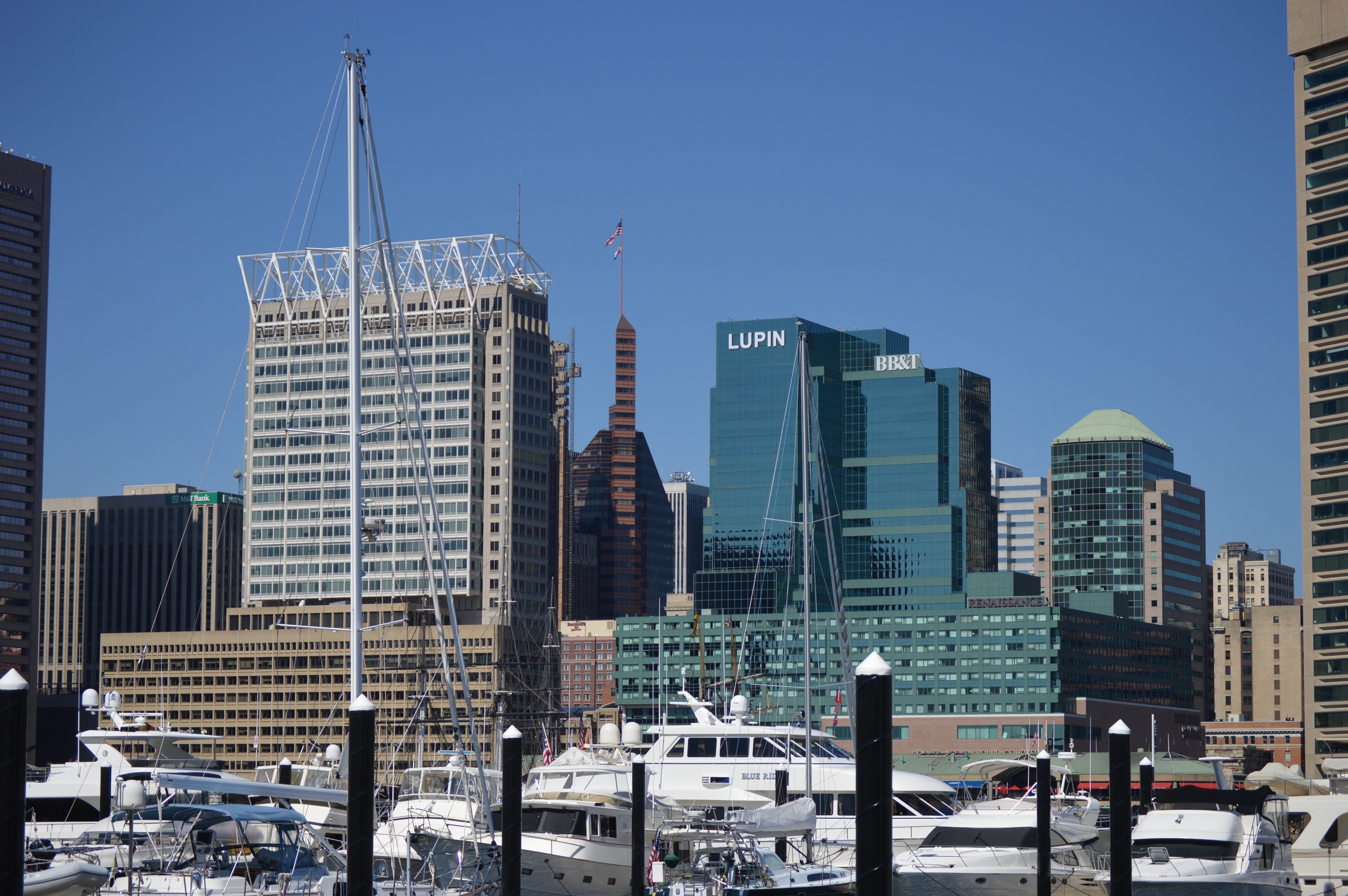
Photo: Kimberlyshorter / Wikimedia Commons, September 27, 2014. CC BY-SA 4.0. Resized; no crop.

I would organize a Baltimore photography brief from the finished pictures backward. Who will open the gallery, what will they look for first, and what would be missing if the photographer followed only the most visible activity? Those questions often reveal the real commission more clearly than a long list of things happening.
One organizer may need a concise public recap. Another may need identifiable presenters, required partner interactions, and complete recognition coverage. Both can call the job event photography while expecting very different records. The difference needs to be explicit before proposals are compared.
This guide uses the Baltimore Convention Center's official floor-plan categories as local context. The programs described are examples, not current job postings or accounts of my own assignments. I am explaining how to connect a usable deliverable to real duties, not ranking named photographers or predicting local demand.
Design four useful collections before counting photographs
For a hypothetical convention program, imagine the client asking for a public story, a presenter record, a partner record, and required group portraits. They may ultimately be delivered together, but each has a different reason to exist.
The public story needs context and human participation. The presenter record may require every assigned person clearly identified. Partners may need a specific relationship or activity documented. Groups need the right people gathered at an agreed moment. A large image count alone cannot prove that all four needs were met.
Ask the organizer which collections are essential and which are optional. Then define the attention required to make them. That process is more useful than assuming every activity receives equal treatment because it appears on the same event schedule.
The first collection: a public story with an actual point
A public recap can show why people gathered, what they did, and how they interacted. A row of speakers may be accurate but incomplete if participation is the story. A gallery of conversations may feel lively while leaving the program's purpose unclear.
Tell the photographer what an absent viewer should understand. The crew can then look for context, expression, and response that support that meaning. They should not invent a narrative by assigning motives or relationships the client has not established.
If an image needs factual context in a caption, identify the source. The visual record may show a handoff or discussion without proving its title, outcome, or participants' roles. Those words should be verified rather than added to make the story seem finished.
The second collection: a usable presenter record
If every assigned presenter must be photographed, provide the current roster and program. Define whether a selected speaking frame is enough or whether other moments, such as a panel exchange, are essential. Duration on a timetable is not an importance ranking.
If concurrent sessions are involved, the proposal must explain the allocation. A single roaming photographer can make a useful selection across rooms without recording every moment in each. Complete simultaneous records may require different staffing or a changed scope.
If someone substitutes or moves rooms, the update needs to reach the crew through an agreed contact. A photographer following an outdated schedule is not helped by a corrected document that nobody identified as the operative version.
The third collection: a partner record that proves the right thing
Ask why a partner image is required. A logo can establish presence; an introduced conversation can show a relationship; a demonstration can show participation. These are not interchangeable simply because the same organization appears somewhere in the frame.
Provide actual required organizations and someone who can identify the representatives. A list cannot make unfamiliar faces recognizable. The organizer should know how to report an absence and who decides whether a substitute image is sufficient.
If a display is not ready, the photographer should tell the client before waiting displaces another obligation. A return visit may be appropriate. Indefinite waiting without a decision can create a second missing requirement elsewhere.
The fourth collection: groups with finite combinations
List the essential combinations and schedule them while the people are still present. A leadership portrait and a full series of departments are different services. Assign someone who knows the roster to gather participants and identify who is missing.
If a consistent individual portrait series is also required, define that separately. It may need a controlled setup rather than the same approach used for informal event portraits. An existing image style should be shared through authorized examples before the work begins.
A fixed portrait position cannot also be continuously roaming in another location. The client can sequence duties, choose a priority, or add coverage. The proposal should make that choice visible rather than hide it behind a claim that the photographer is flexible.
Now attach the collections to the actual levels
The Baltimore Convention Center's official Floorplans page identifies Level 100 Exhibition Halls, Level 200 Mezzanine, Level 300 Meeting Rooms, and Level 400 Ballroom. Those categories help the organizer name actual obligations. They do not establish routes, walking times, or camera access.
Use the exact booked room and current event diagram wherever the work requires it. A category such as ballroom says little about installed lighting, stage position, permitted movement, or whether a portrait setup fits. The client's program needs more detail than the public directory.
I would map each essential collection to its real location and time. If two cannot be made together by one person, address the conflict. Different levels do not make a single-person promise impossible by themselves, but neither do they prove it is feasible without the schedule.
Level 100: do the exhibition pictures explain activity?
For a hypothetical exhibition assignment, the client might want installations before opening, people using displays, or required exhibitors. Those purposes call for different timing and cooperation. An empty setup image cannot later become evidence of interaction.
If the untouched display record matters, identify who confirms readiness. Arriving before the doors open does not guarantee the setup is finished or accessible. The photographer needs the actual plan rather than an expectation inferred from the public opening time.
For a demonstration, say which action must be readable and whether it can be repeated under authorized direction. The crew should not interrupt an operator or stage a false spontaneous exchange to repair a missed requirement.
Level 200: a mezzanine label does not assign a photographic position
The official page identifies the mezzanine as Level 200. A client may imagine an overview or a place to assemble people. Treat that as a question to confirm, not a guaranteed result derived from the word mezzanine.
Ask whether the intended area is part of the booking, who approves the position, and what the installed event arrangement permits. A useful overview also needs a purpose. It may establish context while failing to identify the people the client needs.
If a required group depends on that position, agree on an alternative where possible. Preserving the essential people and use may be more important than one unconfirmed background. The scope should distinguish those priorities.
Level 300: meetings need a decision about interruption
The official floor categories place meeting rooms on Level 300. For a hypothetical workshop, ask whether the record should be observational or include arranged groups. A candid discussion brief should not conceal an expectation that every participant faces the camera.
If the client wants minimal interruption, the photographer can look for facilitation, response, and participation within the activity. If a formal group matters, give it its own moment and gathering contact. The program needs to support the result.
Privacy instructions should be practical. Identify restricted screens, documents, people, or segments without unnecessary personal explanations. Also name the person who can settle uncertainty during the meeting so the photographer does not improvise a publication boundary.
Level 400: a ballroom program needs a sequence, not just a setting
The official page identifies the ballroom on Level 400. For a hypothetical recognition function, request the actual presentation order and production instructions. The floor category does not tell the photographer where a handoff occurs or whether recipients pause.
A held portrait with a presenter needs a shared convention. An uninterrupted handoff is a different treatment. The host, organizer, and photographer should agree on the choice rather than expect the camera alone to create consistency.
If names and captions are included, use the final verified source. A substitute accepting an award changes the factual record even if the stage picture looks similar. The organizer should inform the crew rather than expect identity to be inferred.
Distinguish circulation from permission
Public floor plans can help identify questions, but they cannot establish this crew's check-in, equipment route, or authorization for a restricted area. Get current instructions from the actual event contact. An accessible visitor route is not necessarily a working route for a setup.
Describe the equipment and space needs honestly. Roaming cameras and a backdrop with lighting create different demands. Portable does not mean that any location can be occupied without agreement or that installation has no effect on the program.
If credentials or insurance are required, obtain the exact current specification and verify it with the attending team. This guide does not turn one possible request into a universal Baltimore rule. A portfolio cannot prove compliance for the booking.
Another property creates another scheduling question
If the program adds a reception or portrait at another location, use its actual address and schedule. Assess the duties and required transitions from those facts. Do not infer a regional transfer time from a broad familiarity with the city.
Ask which activity has priority if timing changes. A photographer cannot protect an essential presentation while leaving for a newly added portrait without a choice. The organizer should know the consequence before directing the change.
A written proposal can state a conditional option without promising it. Keep that status clear until the missing facts are settled. Otherwise, a possible extra task can quietly harden into an expected deliverable nobody actually planned.
Look for evidence that matches each collection
I would review authorized complete work for the difficult part of the assignment, not merely a few striking frames. If the client needs every presenter, look for consistency through routine segments. If participation matters, look beyond empty installations and posed handshakes.
Ask the applicant what they personally handled and who will attend. A team gallery can contain excellent work from several people. Accurate attribution helps the client evaluate the actual crew instead of assuming one photographer performed every role.
If privacy prevents a full example, request a permitted alternative. A new prospect's interest does not authorize disclosure of another client's private material. Respect for those limits is relevant to the trust this client is considering.
A reference can test the handoff as well as the shoot
Ask how the photographer handled a concrete change and how the client found required images afterward. Did they make a conflict visible while it could be solved? Was delivery understandable enough to use without rebuilding the event from scratch?
Those questions can produce useful evidence without exposing confidential guest details. A general compliment may be sincere but tell the new organizer little about the behavior their own program requires.
Prior convention center experience can help, but it does not settle the current configuration or access. A prepared first visit can be credible when the photographer identifies the facts to confirm and the sources responsible for them.
ProShoot applications should answer the collections, not recite a slogan
ProShoot's published client process includes posting work, reviewing bids and portfolios, and choosing a photographer. Photographers apply and present work. The useful exchange connects the posted program to an actual service rather than promises about local demand, earnings, or constant work.
An applicant can say which collection needs continuous attention, how a concurrent conflict will be handled, and what information remains open. Check availability for arrival, setup, assigned coverage, and agreed editing duties rather than only the guest-facing time.
Identify the attending crew and needed client cooperation. Do not invent personal Baltimore shooting history or imply restricted access. Relevant evidence and a reliable preparation plan are enough to evaluate without those unsupported claims.
Run a retrieval rehearsal with the organizer
Before booking, ask the person who will use the delivery to describe a likely search. Perhaps they will need a specific presenter for an internal report, a required partner interaction for a review, or a group image for an announcement. Then ask what factual label or grouping would help them find it.
This can reveal an overlooked service. The organizer may assume captions are included while the photographer expects to deliver selected images only. Another department may expect a separate approved selection. Settle those assumptions before they become extra work at the deadline.
The rehearsal should remain proportionate. Not every client needs elaborate classification. A concise recap may need a simple, coherent sequence. A required-person record may need a different structure. Choose the organization that serves the actual task rather than adding administrative complexity to demonstrate effort.
Know who accepts the essential record
Name a client contact who can review completion against the agreed duties. That person should understand authorized changes, not only the original wishlist. If a presentation was canceled, the review should not treat its absence as an unexplained failure.
Where facts remain open, report them plainly. A photograph can be delivered while a name or release decision is still awaiting confirmation. Keeping that status visible is more useful than guessing to make every field look complete. It allows the client to settle the remaining question without rechecking material already verified.
A short unresolved-items note can preserve that distinction without burdening the client with unnecessary detail.
Finish the record before calling it delivered
Agree on selection, editing, naming, organization, and intended audiences. If one department needs a public recap while another holds a private record, identify the review and access boundary. A single gallery should not silently erase those differences.
If captions are included, identify the factual reviewer. If an earlier selection is requested, define the duty and who photographs while someone edits. Use actual delivery, storage, and access terms instead of relying on an assumed speed or retention promise.
At closeout, reconcile essential collections with the actual program and authorized changes. Explain a canceled activity, absent participant, or unresolved item before the client discovers it through a search. The photographer should not leave a known omission hidden inside a large delivery.
I would hire for that practical result. A Baltimore event record should make the next task easier: finding the people, understanding the program, and using the approved pictures. Clear duties tied to real places are a stronger foundation than an unlimited promise or an impressive image count.
Give each collection a sensible completion test
The four collections do not need the same test. A public story should make the gathering understandable. A presenter record should reconcile with the assigned roster. A partner set should meet the stated evidence need. The group set should contain the commissioned combinations or an explanation of an authorized change.
Ask the organizer to agree on those tests before the event. The photographer can then deliver against the chosen service instead of guessing which department's expectation will govern afterward. Keep the tests practical rather than turning them into an endless checklist. They should reveal a meaningful gap, not reward repeated images or decorative detail. If a requirement changes, update its test too. Otherwise, the final review can compare a revised event against a version that nobody was still trying to perform.
Sources checked November 6, 2026
Ready to hire a professional photographer?
Post your job free and get bids from photographers near you.
Post a Job Free →