Top Event Photographers in Arkansas
Choose an Arkansas event photographer with a brief built for Little Rock ballroom programs or Hot Springs exhibitions and meetings. Advice for both sides of the job.
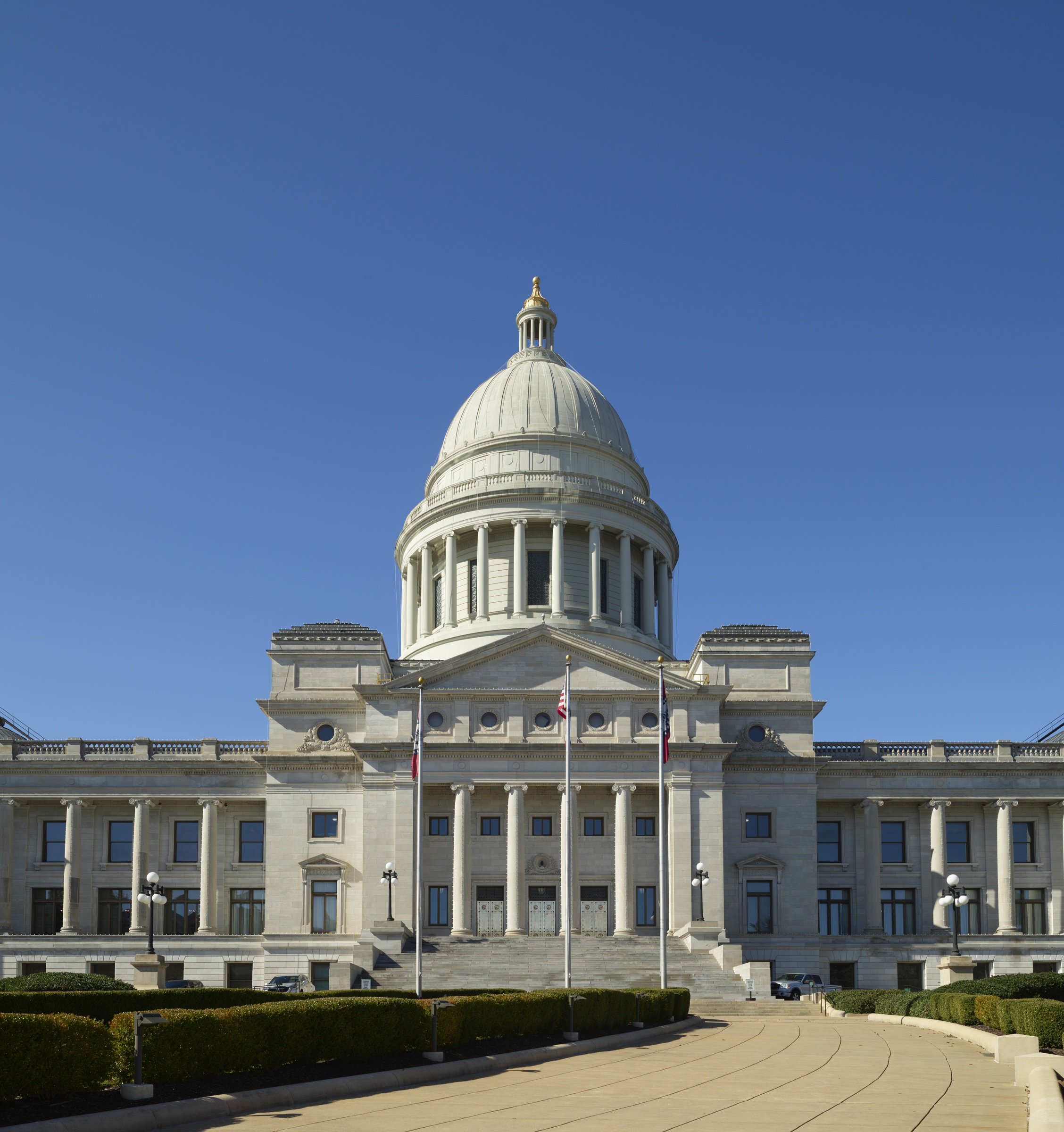
Photo: Carol M. Highsmith / Library of Congress, Prints and Photographs Division, LC-DIG-highsm-65056, November 13, 2020. Public domain. Resized; no crop.
Once the program is over, an organizer cannot go back and photograph an introduction that was missed. That is why I would make the hiring conversation less about an impressive promise and more about the decisions that protect important moments. For an Arkansas event, the room and the program should drive those decisions.
I checked the Statehouse Convention Center's Wally Allen Ballroom information and the Hot Springs Convention Center's published map for this guide. The facility descriptions below come from those pages. The walkthroughs are imagined planning examples, not stories of assignments I personally photographed or announcements that an organization is hiring.
I would use this guide at three points: while preparing an inquiry, while reading proposals, and before giving the chosen photographer the final instructions. Each stage should remove uncertainty. If you are a photographer applying for Arkansas event work, your response can help by showing which decisions you understand and which answers still belong to the organizer.
Before the inquiry: write the photograph's destination
Start a blank page with the places the finished pictures will go. A board report, an internal recap, a public event page, and a sponsor presentation may use different photographs. You do not need a finished communications plan, but the photographer needs more than a request for a nice record of the evening.
For a hypothetical Little Rock recognition luncheon, the board report might need each honoree and the public recap might need an understandable view of the gathering. A sponsor presentation could need participation around a particular display. Those requests can coexist, but their timing and purpose should be visible.
I would put the destination beside the requested subject. That makes it easier to distinguish an essential image from something that would merely be pleasant to have. If nobody knows how a requested photograph will be used, ask whether it should take priority over the people and moments that have an identified purpose.
Find the request that cannot happen by chance
A formal honoree group needs the right people gathered together. A room photograph may need a clear view before guests arrive. A photograph of a sponsor representative greeting an important guest depends on recognizing both people. These are not simply things a photographer should notice without help.
Choose the person on the organizing team who can make each arrangement. The photographer can decide how to compose and time an image, but they may not know the event's relationships. I would rather assign that help in advance than hear afterward that everyone assumed someone else was looking for the missing participant.
Little Rock: read the Wally Allen Ballroom brief carefully
The Statehouse Convention Center's official Wally Allen Ballroom page describes portable wall partitions and flexible configurations. It also identifies foyers overlooking Riverfront Park and the Arkansas River. That gives the client specific spaces to name in the inquiry, not a guarantee of a particular room arrangement or camera position.
I would ask for the booked ballroom division and the current event diagram. A single program may use a presentation area, dining space, and foyer reception, but those should not disappear inside the phrase ballroom coverage. Tell the photographer where each required part happens and what it needs to show.
The published room specifications are not the working layout. A stage, sponsor display, screen, or service arrangement can change the useful view. Ask the photographer to discuss the actual plan rather than promise to repeat an angle from another event's gallery.
Use the foyer view only if it helps the story
If the client wants the river setting recognizable, make that an image goal. If they mainly need honorees and guests, a broad setting photograph may be secondary. An attractive view should support the assignment, not displace the people the client needed documented.
A foyer described on the venue page is not automatically included in the booking. Confirm which areas the event may use and where the photographer is permitted to work. If a group is planned outside the main room, the organizer needs to approve the location rather than assume an adjacent space is available.
I would give any essential group an alternative position. The objective might be a clear record of the honorees together, not an unconditional promise of one background. That distinction gives the photographer room to make a useful image when the intended location cannot be used.
Walk the recognition sequence on paper
For the sample luncheon, write the order of announcement, approach, presentation, handshake or pause, and departure. Ask whether the honoree returns to their seat or joins a group. The photographer can prepare for the actual sequence instead of guessing where the important exchange ends.
If the client wants a formal image, the people involved should know when to pause. If the program should remain entirely candid, agree on what that means for the result. A moving exchange and a posed recognition photograph are different requests; neither should be promised as though it automatically produces the other.
Check what else is happening during that sequence. If the photographer is also expected to make guest portraits in the foyer, identify the conflict. Move the portraits, change the priority, or discuss another person. A clear decision is more useful than the phrase full coverage attached to an impossible overlap.
Hot Springs: begin with the map, then put it away
The Hot Springs Convention Center's published map distinguishes exhibit halls A through D and several hall combinations. It identifies Horner Hall, Bank OZK Arena as Hall E, and meeting rooms. Those names help connect the brief to the correct setting. They do not establish what any particular event has leased or where a photographer may enter.
For an imagined exhibition with meetings, I would use the map to name the spaces and then work from the organizer's approved event plan. The public map cannot supply the position of a client's display, the session schedule, or the credential instructions. Those need current confirmation.
A brief that says exhibition photographs might mean a clean display record, people interacting, a demonstration, or an overall event story. Ask which one the client needs. The photographer's route and timing should follow that purpose, not simply the sequence of room names on a map.
The demonstration needs a reason to be photographed
Suppose the client wants images of participants trying a product. I would ask what action should be visible and whether the demonstration has planned windows. A photographer can anticipate an activity better when they know what it is meant to communicate. They should not have to guess which small interaction has special importance to the client.
If the display includes information that cannot be released, mark the restriction and identify someone who can answer questions. Visibility inside an event does not automatically establish publication rights. A client needs to explain its own restrictions rather than expect the photographer to infer them from a screen or sign.
Keep the clean display photograph separate from the active demonstration request. The first might need a quieter period; the second requires people and activity. If both are essential, give each a place in the assignment instead of assuming one frame will satisfy two different purposes.
Meetings change the photographer's attention
If the exhibition assignment includes meetings in another room, identify the reason for entering. Is the goal a short record of the discussion, a group photograph before it, or a complete presentation sequence? These are different uses of time. A photographer cannot keep roaming the exhibition while concentrating on a meeting elsewhere.
I would review the meeting and exhibit schedules together with the client. Mark required moments that collide and decide how they will be handled. Do not leave the photographer to choose between two departments without knowing which request the commissioning contact values more.
A venue campus can have several useful spaces without making all of them part of the job. A meeting in one hall does not grant access to an arena program nearby. The organizer must specify the assignment's boundaries and the permissions attached to each included location.
When proposals arrive: test one decision in each
For Little Rock, ask how the photographer would cover an honoree exchange if the foyer portrait window runs late. For Hot Springs, ask what happens if the demonstration overlaps the required meeting. The answer should explain a choice and the help needed from the client, not claim that the photographer will somehow get everything.
I would favor someone who identifies the consequence early enough for the organizer to act. That is different from being pessimistic. It shows that the proposal is a working plan rather than a description of ideal conditions that may not exist.
Compare the coverage segments, staffing, editing, intended uses, and exclusions. Two proposals can sound similar while including different work. An image count alone does not settle the difference. A large set of repeated frames can still lack the only group the client needed.
Review a sequence, not a collection of favorites
For a recognition luncheon, I would want evidence of consistent people photographs, stage timing, and comfortable groups. For an exhibition, I would look for both context and meaningful participation. Read the gallery as a story: can you understand what the commissioned event was about?
Ask what role the photographer held in the work shown. If they were an additional photographer concentrating on guests, that is useful experience for guest coverage. It should not imply that they also managed the main stage, crew, editing, and delivery if someone else did those parts.
I would not demand a private client's full gallery without permission. Ask for authorized examples or another agreed review arrangement. Someone else's restricted event should not become the admission price for being considered for a new job. That respect is part of the evidence you are evaluating.
Before accepting: assign the decisions that remain
The client should provide the current schedule, approved spaces, required people, and publication restrictions. The photographer should explain the coverage approach, proposed equipment, and the limits created by time or staffing. Put the unresolved items beside the person responsible for answering them.
If insurance documents are required, get the venue's actual instructions and check them against the proposed photographer and crew. A good portfolio does not prove an administrative requirement has been met. Nor should an organizer assume the same certificate wording works at every property.
For additional lighting, a portrait backdrop, or another fixed setup, discuss the exact location. A portable stand still uses space and can affect circulation. The photographer should not infer approval from an empty area on a public map, and the client should not add a station without acknowledging its effect on roaming coverage.
Give the crew a note they can use at arrival
The work note should identify the confirmed entrance, reporting contact, allowed arrival period, equipment route, and the person who handles changes. A guest invitation may omit all of those. Keep the crew's practical instructions separate so the photographer does not have to extract them from general attendee information.
If the event uses another town or property, create a second arrival plan. Little Rock's facility page cannot establish access at a Hot Springs function or a private celebration elsewhere. Use the actual schedule and locations rather than a generic assumption about travel across Arkansas.
An instruction that is still unknown should be labeled that way. Inventing a convenient entrance or transfer time makes the plan look more complete while making it less dependable. I would rather see one clear open question answered before the job relies on it.
Photographers: show that you understand this commission
For the Little Rock example, I would respond with relevant recognition and group work, then describe how I would protect the required honoree images. I would ask about the ballroom division and foyer use because those details affect the plan. I would not lead with an unrelated scenic portfolio simply because it was made in Arkansas.
For Hot Springs, I would address the demonstration, meeting conflict, and publication restrictions. If the scope needs another photographer or a priority choice, explain the specific reason. The organizer needs an actionable decision, not a broad statement that bigger events require more coverage.
ProShoot's published workflow describes clients posting jobs and comparing bids and portfolios before selection. Its photographer workflow includes applying and presenting work. Use that opportunity to answer the particular inquiry. A profile does not prove credentials, insurance, venue permission, or availability for every location a client later adds.
Keep your experience honest. If the room is new to you, explain how you will obtain the current plan and instructions. If you have worked there before, do not assume the next event repeats the same configuration. Preparation is stronger evidence than an exaggerated claim of knowing every venue in the state.
Finish with the gallery's next use
For the luncheon, the organizing team may need each honoree and the required group easy to locate. For the exhibition, the client may need demonstration and meeting images separated. Discuss an organization that helps those tasks rather than assume an undivided gallery suits everyone.
If captions or names are included, identify who checks them. The photographer should not guess spelling, titles, or affiliations from memory. A verified roster is part of preparing an accurate record, not an optional detail to reconstruct after delivery.
Set the actual delivery date and describe any earlier selection as a separate requirement. Editing during the event can affect coverage. Agree on its conditions and review route instead of allowing a casual request for quick images to become an undefined live-editing obligation.
State the file-access and storage terms genuinely offered. The client should know where the agreed photographs are, which images need review, and what happens later. Completing the photographs does not complete the assignment if those basic questions remain unanswered.
The useful choice is the person with a workable plan
I would not declare one photographer the right choice for every Arkansas event without reviewing the real brief and available work. A recognition luncheon and an exhibition with meetings need different evidence. A strong proposal makes those differences visible rather than flattening both into the same promise.
Choose relevant complete work, clear communication, and an agreement that identifies the required photographs and the people responsible for making them possible. If you are applying, show that you have understood those requirements and the decisions still open. If you are posting through ProShoot, give photographers enough information to respond specifically.
The goal is not the broadest claim about the statewide event market. It is a set of photographs that does the job the client actually commissioned, made with fewer surprises along the way.
Ask the final recipient to open an imaginary delivery
Before accepting a proposal, ask the person who will use the gallery what they would search for first. It might be a required speaker, partner interaction, or group. Then check whether the brief and proposed organization actually support that task. A delivery can contain many attractive images while leaving the recipient unable to locate the essential evidence.
This is a useful test for both the Little Rock and Hot Springs examples without importing a new location fact. The actual room matters operationally, but the photograph's destination determines why it is commissioned. The organizer should connect those two parts explicitly.
If the recipient expects captions or a separate approved selection, confirm whether those services are included. They should not appear for the first time as assumptions at delivery. Keep the agreement proportionate: a concise public recap may need a simple sequence, while a required-person record may need a different structure. The right organization is the one that reduces the client's next task rather than adds unnecessary classification.
Sources checked November 6, 2026
- https://www.littlerock.com/statehouse-convention-center/plan/floor-plans-and-capacity/wally-allen-ballroom/
- https://www.hotsprings.org/conventions/conventions-map/
- https://proshoot.io/how-it-works/
Ready to hire a professional photographer?
Post your job free and get bids from photographers near you.
Post a Job Free →