Top Event Photographers in Alabama
Find event photographers in Alabama. A practical hiring guide to coverage plans, portfolios, event access, and image delivery.
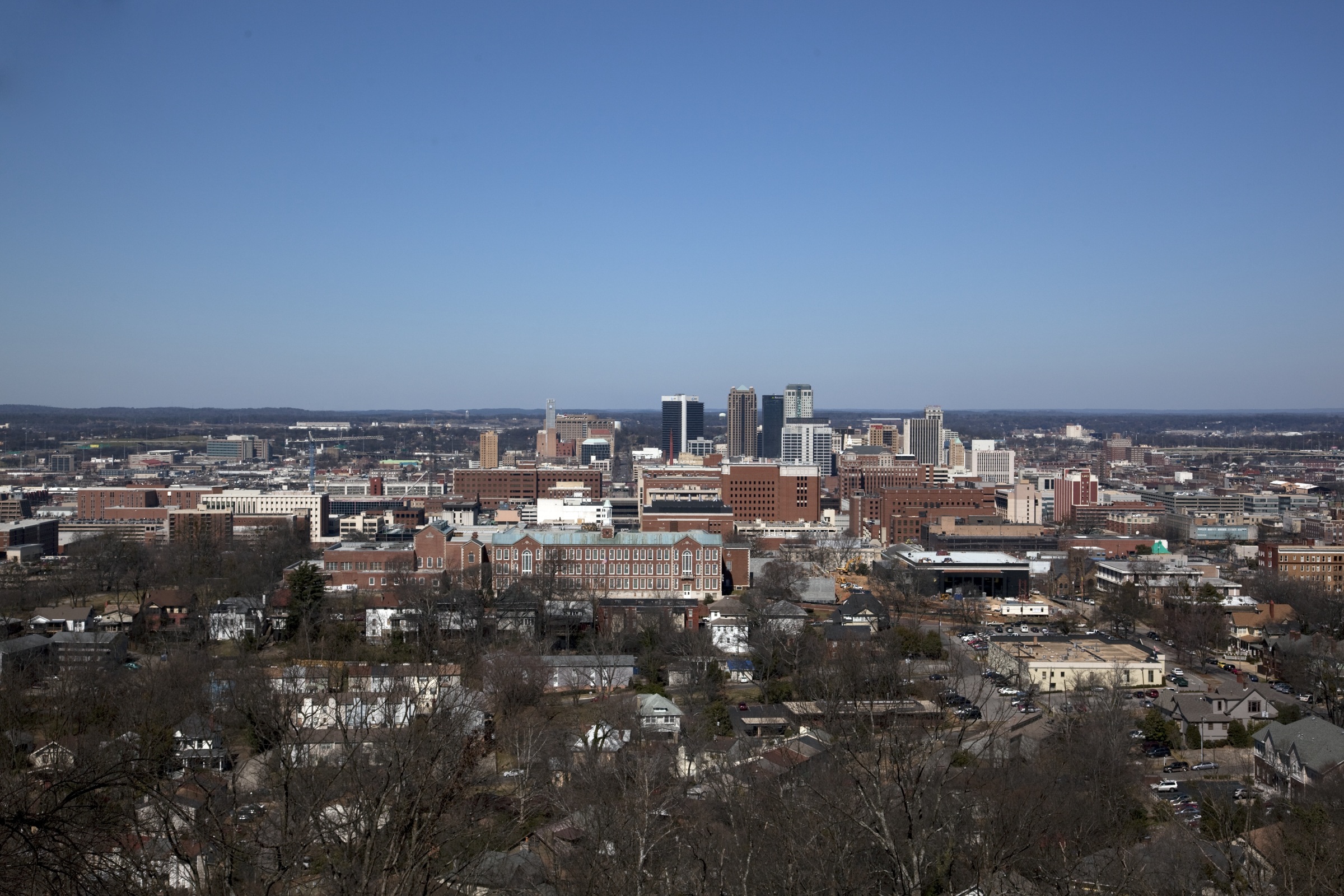
Hero photo: Skyline of Birmingham, Alabama, February 25, 2010, by Carol M. Highsmith. The George F. Landegger Collection of Alabama Photographs in Carol M. Highsmith's America, Library of Congress, Prints and Photographs Division. No known restrictions on publication. Resized from the original; not cropped.
An Alabama event photography brief can mean a conference in Birmingham, a gathering beneath a Saturn V in Huntsville, or a waterfront meeting in Mobile. Those settings ask different things of a photographer. I would begin with the actual rooms, the people attending, and the purpose of the photographs rather than treating the state as one interchangeable market.
I have photographed events for more than 20 years. The lesson I bring to hiring is straightforward: match the photographer to the assignment, and make the expectations clear before anyone arrives. This guide explains how I would approach that choice in Alabama, with verified venue examples and practical questions for clients and photographers. It is a hiring guide, not a ranked list of individual photographers.
Three Alabama Settings That Change the Coverage Plan
Birmingham: identify the exact BJCC space
The Birmingham-Jefferson Convention Complex lists exhibition halls, meeting spaces, the Forum Conference Center, Protective Stadium, Legacy Arena, a concert hall, and a theatre among its rental spaces. Its venue page describes more than 220,000 square feet of exhibition space and more than 70,000 square feet of meeting space. That range matters because saying an event is at the BJCC does not explain the assignment.
I would ask for the building, room, entrance, and floor plan. A stage presentation, an exhibition booth, and a hospitality reception may share an event name while requiring different sightlines and movement. If the brief includes several spaces, mark which moments overlap and which photographs matter first. Do not use the campus name as a substitute for a usable schedule.
For a client, the portfolio question is specific: can this photographer keep a coherent story across a large room and its smaller interactions? For a photographer, the preparation question is equally specific: where can you stand, how will you move, and who can settle an access question? Confirm those answers with the event team instead of assuming that previous arrangements apply.
Huntsville: let the setting support the people
The U.S. Space & Rocket Center offers facility rental, including the Saturn V Davidson Center for Space Exploration. Its own rental page identifies the Saturn V as part of the setting. That is a clear visual opportunity, but the rocket should not become the entire story of a meeting or celebration held there.
I would plan a small number of wide photographs that establish the place, then move attention back to the guests and the purpose of their gathering. Ask how exhibits, event lighting, and the seating arrangement will appear in the same frame. If the host needs a group photograph with the setting visible, identify a workable position and a realistic place in the schedule.
A technical or corporate gathering can also involve material that should not appear in a public gallery. Ask the host whether screens, badges, displays, or conversations need special handling. Do not infer a security rule from the industry or venue name. The organizer should state what may be photographed, who approves publication, and how any restricted images should be handled.
Mobile: distinguish the building from the exhibit halls
The Arthur R. Outlaw Mobile Convention Center's official venue page describes a 317,000-square-foot facility with two exhibit halls totaling 100,000 square feet. Those are different measurements. The same page describes waterfront terraces and extensive windows facing the Mobile River. I would keep the figures separate and use the actual room plan to understand the assignment.
Windows and terraces can be useful for establishing photographs, portraits, and informal interactions. They also create choices about background and exposure. Ask whether any outdoor component is part of the booked coverage and where it moves if conditions change. The photography brief should work for the approved indoor plan as well as the hoped-for outdoor setting.
If an event moves between an exhibit hall, a meeting room, and a reception, give the photographer the order and the priorities. A large facility does not mean that every useful picture is a wide room view. Small conversations, hands-on demonstrations, and audience responses may explain the event more clearly. The brief should leave room for those photographs.
Plan Alabama Coverage by Assignment, Not Stereotype
For a coastal celebration, I would ask about the ceremony location, the indoor alternative, the portrait plan, and protection for equipment moving between environments. For a campus gathering, I would ask who controls access and whether other activity affects the route. These are preparation questions, not claims that every Alabama venue follows one rule.
For a regional association meeting, the people may matter more than a recognizable skyline. Give the photographer a list of leadership changes, award recipients, sponsors, and group photographs that need organizing. Appoint someone who can gather people when a formal photograph is required. A photographer can direct the frame, but should not have to discover the guest list while the next session begins.
For a private event, describe the relationships you want recorded. If some guests should not appear publicly, tell the photographer how they will be identified and how the gallery will be shared. Clear boundaries protect the guests and prevent a later argument about photographs that should never have been posted.
How I Evaluate an Event Photography Portfolio
I start with a complete gallery from a comparable assignment. A small selection of striking frames can hide weak coverage between the headline moments. I want to see how the photographer handles arrivals, room details, speakers, audience reactions, informal conversations, and the close of the event. The sequence should explain what happened without requiring the client to fill in the gaps.
Compare situations, not just subjects
Two photographs of a speaker can represent very different working conditions. One might come from a bright room with an empty aisle; the other from a dark ballroom with restricted movement. Ask what the photographer was allowed to do, how the room was lit, and whether the gallery reflects an entire assignment. That context makes the portfolio more useful than a simple list of familiar clients.
For a celebration, look beyond the posed portraits. Check whether people look comfortable, whether different generations appear in the story, and whether the photographer catches transitions without interrupting them. For a conference, look for readable signage, clean stage backgrounds, attentive audiences, and sponsor details that are visible without turning every image into an advertisement.
Read the agreement as carefully as the photographs
A portfolio shows visual judgment. The agreement defines the assignment. Put the date, address, coverage hours, room list, deliverables, usage rights, and delivery dates in writing. If you need photographs during the event, make that a separate, explicit requirement. Ask how those images will be selected, edited, approved, and transferred while coverage continues.
Do not assume that every photograph taken will be delivered, that raw files are included, or that a gallery can be used for every future purpose. Ask what the client receives and what permissions accompany it. An internal recap, an advertising campaign, and an image supplied to outside partners may need different terms. Resolve those questions before the event rather than after someone has already distributed the files.
Check the working plan
Ask who will actually photograph the event, what happens if that person becomes unavailable, and what equipment backup is planned. If several sessions overlap, discuss whether the schedule calls for another photographer. One person cannot cover two rooms at the same moment, regardless of experience. Priorities should reflect the staffing agreed in the brief.
Ask the venue about vendor access and insurance documentation. Then ask the photographer whether they can meet those requirements. I do not treat every venue as having the same policy. A certificate, an equipment restriction, a credential, or a location permission should be confirmed with the person responsible for that specific event.
Build a Brief That a Photographer Can Use
A useful brief explains what the photographs need to do. I would rather receive a short, clear purpose than a long list of vague instructions. Say who will use the images, where they will appear, and what the audience should understand. That turns coverage from collecting attractive frames into documenting an event with a reason.
Start with the story and the audience
For an association meeting, the story may be learning and professional connection. For a launch, it may be the product, the people behind it, and the response in the room. For a family celebration, it may be relationships and the people who rarely gather together. Write that purpose near the top of the brief so the photographer can use it when the schedule changes.
Then identify the people and moments that cannot be missed. Include accurate names and roles, a reference photograph when appropriate, and someone on site who can identify guests. A photographer should not have to guess which person is the incoming chair or which family member has traveled for the occasion. Keep sensitive information limited to what is needed to make the coverage work.
Make the schedule realistic
Mark sessions that overlap, room changes, short appearances, and any moment with no opportunity for a repeat. Add time for walking between spaces and for checking in with the event lead. If a speaker needs a portrait, decide where and when it will happen rather than assuming a quiet corner will appear beside the stage.
Give the photographer the latest schedule and name one person who can approve changes. Multiple contacts giving conflicting priorities can cost coverage. When the plan changes, that person should explain what moved, what replaced it, and whether the photography priority changed too. A revised schedule is useful only if the person taking the photographs receives it.
Separate immediate needs from the archive
List the images needed during the event separately from the complete edited gallery. Specify useful file sizes, naming conventions, caption information, and the destination for delivery. Ask the photographer what is practical within the assignment. Do not promise a communications team a delivery time that the photographer has not accepted.
Think about how the archive will be used later. A wide image may work for a website banner, while a vertical frame may be useful for another format. Ask for that variety in the brief without demanding that every moment be photographed in every orientation. Explain the intended uses so the photographer can make sensible choices while the event is moving.
How ProShoot Fits the Hiring Process
ProShoot brings your event brief, photographer portfolios, and bids into one hiring process. Post the date, location, event type, coverage hours, and intended image use. Available photographers can assess the assignment, and you can compare the proposals against the same brief rather than comparing answers to different versions of the job.
I would still make the final choice by fit. Read the portfolio, the proposed coverage, and the deliverables together. A bid is not interchangeable with another bid if one covers a single room and the other includes overlapping sessions. Clarify missing details before deciding. Keep the written agreement consistent with the proposal you actually choose.
For photographers, a profile should explain the assignments you can cover and show relevant work. A complete gallery and a clear description of your role tell a client more than a long collection of unrelated highlights. When you bid, address the brief in front of you. Say what you can cover, flag conflicts, and avoid promising a delivery process you cannot support.
Questions to Settle Before Booking
How do I choose between photographers with different styles?
Start with your intended use, then compare complete galleries from similar assignments. Discuss whether you want quiet documentary coverage, directed portraits, detailed sponsor coverage, or a combination. Ask how the photographer would divide attention across those needs. A style you enjoy should still deliver the photographs your event requires.
How far ahead should I look?
Start when your date, location, and coverage needs are clear enough to describe. Availability depends on the photographer and assignment, so ask directly rather than relying on a general booking window. If the event is close, be honest about the schedule and the decisions still open. Do not assume that an open date means every preparation step can be skipped.
How quickly will the photographs arrive?
Agree on a delivery schedule with the photographer before booking. If you need an early selection for a recap or press release, describe that need separately from the full gallery. Confirm who chooses those frames and who approves them. The agreement, rather than a general promise about event photography, should set the expectation.
Can one photographer cover the whole event?
It depends on the schedule and priorities. Show the photographer every simultaneous session and every separate location. Ask what would be missed with the proposed staffing. If you choose one photographer, make the tradeoffs explicit so nobody expects coverage of two moments happening in different rooms at the same time.
What should happen after the event?
Check that the delivered files match the agreed formats and that the gallery is accessible to the intended people. Keep names and captions accurate before sharing images externally. Tell the photographer about any factual corrections needed in filenames or captions, and preserve a copy according to the agreement. A useful archive needs a clear handoff as much as it needs good photographs.
Make Access Decisions Before the Camera Comes Out
I would ask the host to identify the person who can answer an access question during the event. A room manager, a communications lead, and a security contact may have different responsibilities. Put the right contact beside the relevant part of the schedule. That avoids asking a photographer to negotiate a sensitive question while a presentation or portrait is already happening.
For photographs that need approval, name the reviewer and explain the process. Keep that process separate from the coverage priorities. An image can be important to capture without being ready for public use, and an approval requirement should not become an unclear instruction to stop documenting the event.
Event Photography Jobs in Alabama: Show the Work You Can Cover
For photographers, I would build a portfolio around assignments you can explain clearly. Show the event type, the coverage you provided, and the visual decisions that made the gallery useful. Do not imply that photographing one session means you covered an entire conference. A precise description gives a client a better basis for choosing you.
When reviewing a new opportunity, read the schedule before bidding. Check simultaneous sessions, travel between locations, access conditions, and the requested delivery process. Ask about unresolved details rather than hiding assumptions in a short proposal. A client should understand what your coverage includes and what would require another conversation.
After the assignment, review which photographs were useful and which moments were hard to reach. That is how I would improve the next brief and the next portfolio selection. Treat local knowledge as preparation to demonstrate, not a claim that a whole state will keep a photographer busy.
Hire a Alabama Event Photographer, or Present Your Work
If you are hiring, post a clear event brief on ProShoot and compare the portfolios and bids against your actual needs. If you are a photographer, create a profile that shows relevant event work and describe the assignments you can cover. The goal is a workable match: clear priorities, appropriate coverage, and photographs the client can use.
Ready to hire a professional photographer?
Post your job free and get bids from photographers near you.
Post a Job Free →