Furniture Product Photography Guide: Shoot Home & Office Pieces in 2026
From clean catalog shots to aspirational lifestyle imagery — the complete guide to furniture photography that overcomes the online buyer's biggest obstacle: imagining a piece in their space.
Last Updated: June 2026
Furniture is one of the most challenging product categories to sell online — and yet the online furniture market continues to grow, projected to exceed $200 billion globally by the end of 2026. The central challenge is that furniture is a large, tactile, spatial object that customers need to mentally place in their home before buying. Brands that invest in photography that accurately communicates scale, texture, material quality, and spatial context see dramatically lower return rates and higher conversion. This guide provides a comprehensive technical and strategic framework for furniture product photography at every budget level.
🛒 Recommended Gear & Tools
Shop Wide Angle Lenses on Amazon →Affiliate disclosure: ProShoot.io earns a small commission on qualifying purchases at no extra cost to you.
E-Commerce Furniture Pack Shots
E-commerce furniture photography must balance the requirements of major retail platforms (Amazon, Wayfair, IKEA marketplace) with the brand's own aesthetic. Amazon has similar requirements for furniture product listings. These "technical" shots may not be exciting, but they drive the majority of online furniture sales and must be executed with precision — consistent color temperature, accurate material color, and proper geometric perspective that doesn't distort proportions.
For sofas and upholstered pieces, a standard image set typically includes: a front-facing straight-on shot, a three-quarter angle shot from the front-left or front-right, a side profile shot, a back view, and close-up detail shots of key features (cushion construction, leg detail, fabric texture, stitching). For case goods (desks, dressers, storage units), an open-door or open-drawer shot showing interior construction is important. For dining furniture, a complete set shot (table with chairs) as well as individual piece shots provides the most complete coverage for retailer submissions. Shooting against a clean white background typically requires 4–6 lights to ensure even background illumination and proper fill on all sides of large three-dimensional pieces.
Communicating Scale and Proportion
Scale is the primary anxiety of online furniture buyers — and addressing it directly in photography is one of the highest-value improvements any furniture brand can make to their product imagery. The most effective approach is contextual photography: placing furniture in styled environments that include standard architectural elements. A doorway in the background of a sofa shot immediately communicates the sofa's height relative to a known standard. Windows, built-in bookshelves, and standard ceiling heights all serve as scale anchors. Photography that includes human subjects — a person seated on a chair, a family around a dining table — is the most intuitive way to communicate ergonomic scale.
For clean white-background shots where environmental scale anchors aren't available, a secondary "dimension image" — an infographic-style image showing the piece's key dimensions superimposed over the product photo — provides practical scale information. This type of image is standard on IKEA product pages and has been proven to reduce return rates. Including common accessory objects of known scale (a standard floor lamp, a 30cm cushion, a stack of A4 books) within the composition also helps buyers calibrate size. A wider field of view tends to reduce perceived scale, making products appear smaller than they are — avoid ultra-wide-angle lenses for furniture photography, which will distort proportions and make pieces appear smaller.
Lifestyle and Room Vignette Photography
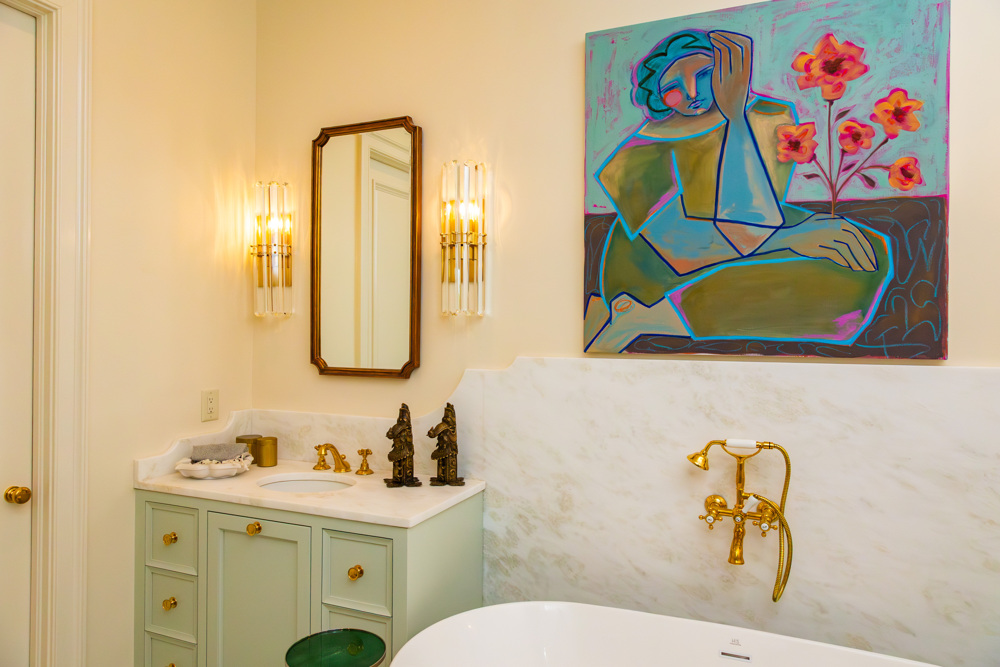
Lifestyle furniture photography shows pieces in beautiful, aspirational interior environments that help buyers visualize how a product could look in their own home. This category of content drives Pinterest shares, Instagram engagement, and editorial media coverage in a way that isolated product shots cannot. The most cost-effective approach for lifestyle furniture photography is the "vignette" — a partial room set built specifically for photography that creates the impression of a complete interior without the cost and complexity of a full property shoot. A vignette might consist of a wall section painted in a specific color, a portion of hardwood floor, a window-suggestion light source, and carefully selected prop elements (plants, books, art) that complete the narrative.
For brands with premium positioning, location shooting in actual high-design properties — show apartments, interior design studio spaces, or custom-built studio sets — creates more authentic and aspirational imagery. An interior stylist or prop stylist is essential for lifestyle furniture photography to ensure every element of the composition supports the brand's aesthetic story. Natural light is generally preferred for furniture lifestyle photography — large windows create the soft, warm daylight conditions that make rooms feel inviting and livable. The time of day and direction of light should be considered in location selection and scheduling.
Texture, Material, and Detail Shots
Online furniture buyers cannot touch the product before purchasing, which means photography must communicate tactile qualities through visual means. This requires dedicated detail shots that focus on texture, material quality, and construction. For upholstered pieces, a close-up of the fabric weave under directional lighting reveals texture in a way that full-product shots cannot. For wood furniture, tight shots of grain direction, finish quality, and joinery detail communicate craftsmanship. For metal-frame furniture, edge details, weld quality, and surface finish all speak to durability and build quality that consumers evaluate closely.
Furniture Photography Shot Types
| Shot Type | Purpose | Where Used |
|---|---|---|
| White background hero | Retailer/platform compliance | Amazon, Wayfair, primary listing |
| Room vignette / lifestyle | Aspiration, context | Brand site, social, editorial |
| Texture close-up | Material quality communication | Product page secondary images |
| Dimension infographic | Scale communication, reduce returns | Product page, retailer submissions |
| In-use with model | Ergonomic scale, lifestyle aspiration | Homepage, social, advertising |
Outdoor and Garden Furniture Photography
Outdoor and garden furniture photography benefits enormously from actual outdoor location settings — natural stone patios, garden terraces, deck environments, poolside settings — because these locations communicate the actual use environment far more authentically than a studio simulation. Outdoor furniture is an aspirational purchase strongly tied to a desired lifestyle (entertaining, relaxing in nature, alfresco dining), and location photography that shows the product in a beautiful outdoor environment directly sells that aspiration. Weather and seasonal timing are critical considerations: overcast days provide beautiful diffused outdoor light, while midday sun creates harsh shadows and overexposed surfaces. Spring and early summer provide lush, vibrant plant life as styling elements.
For location outdoor furniture shoots, scout properties specifically for the quality of their outdoor spaces, lighting conditions at the planned time of day, and alignment with the brand's aesthetic (contemporary vs. rustic vs. tropical). Plan for weather contingencies — an overcast day backup plan and a rain date should be established in advance. For e-commerce catalog shots of outdoor furniture, a simple outdoor background (clean paving or decking surface, neutral-toned wall or hedge backdrop) provides the contextual setting while keeping the focus on the product. Seasonal water features, flowers, and greenery add natural styling without requiring a full prop budget.
Hiring a Furniture Photographer
Furniture photography requires a photographer with specific skills: the ability to work with large-scale subjects, experience managing interior styling and prop coordination, understanding of interior design aesthetics, and technical mastery of lighting large three-dimensional objects evenly. Look for portfolios that specifically include furniture or interior photography — ideally both clean catalog-style shots and lifestyle room sets. The ability to communicate with interior stylists and prop stylists is an important soft skill that affects the quality of styled shoots significantly.
For large catalog shoots, discuss a test shoot covering 2–3 pieces before committing to the full project. This allows both parties to align on the style, lighting approach, and post-processing direction before investing in a multi-day shoot. Provide a complete product list with dimensions, material specifications, and color samples. Share reference imagery from brands whose aesthetic matches your goals. Discuss whether an interior stylist is needed and whether props will be sourced by the photographer or provided by your brand. Post your furniture photography project on ProShoot.io to find and compare verified commercial photographers with interior and furniture experience.
Practical Tips for Furniture Photography
- Steam or press fabric upholstery before the shoot to remove storage wrinkles
- Touch up any paint or finish scratches acquired during shipping before shooting
- Use a spirit level to ensure pieces are perfectly level and straight in frame
- For sofas, shape cushions consistently — over-stuffed and under-stuffed cushions look different on camera
- Dust and polish all surfaces immediately before shooting
- For wood pieces, apply a light oil or conditioner to enhance grain and prevent flat, dry appearance
- Plan your shot list per piece in advance — efficiency on shoot day is critical for large catalog volumes
Ready to elevate your furniture brand's photography?
Post your furniture photography project on ProShoot.io and receive bids from verified commercial photographers who specialize in furniture and interiors.
AI Mood Board Generator
Generate a complete visual brief — color palettes, lighting direction, wardrobe ideas — from a text description.
Free Shot List Generator
Generate a professional shot list for any assignment in seconds — shareable with your photographer.
Frequently Asked Questions
How much does furniture product photography cost in 2026?
Individual furniture product shots (single piece, studio white background) typically cost $150–$500 per item. A full lifestyle room set shoot with styling, props, and a complete interior vignette setup runs $2,000–$8,000 per room setup or per day. For large furniture catalogs, day rates of $1,500–$4,000 per day are common, covering multiple pieces depending on complexity.
How do you communicate furniture scale in photography?
Scale communication techniques include: photographing pieces in styled room environments with standard architectural elements (doorways, windows) that provide scale reference; including accessory objects of known scale (books, plants, cushions) in the composition; providing dimension call-outs in infographic-style secondary images; and photographing with human subjects to show ergonomic scale.
What is a furniture vignette in photography?
A furniture vignette is a styled mini-room environment built specifically for photography — not a full room, but a curated arrangement of floor, wall, and supplementary elements that create the impression of a complete interior setting. Vignettes allow brands to control the complete visual environment without shooting in actual properties, and can be rebuilt for multiple furniture pieces efficiently.
Should I shoot furniture in a studio or on location?
Both have merit. Studio shooting gives complete control over light, background, and styling, and is more time-efficient for volume shoots. Location shooting in actual interiors creates more authentic, aspirational imagery that connects with buyers emotionally. Many furniture brands use a hybrid approach: studio white-background shots for e-commerce and retail submissions, plus location lifestyle shots for brand campaigns, social media, and editorial content.
How do you show fabric and material texture in furniture photography?
Texture communication requires directional lighting — light that rakes across the surface at an angle, casting small shadows that reveal weave, grain, or pile. Side lighting with a narrow strip softbox or a window at 90° to the fabric surface is the standard approach. Close-up detail shots dedicated to fabric texture, wood grain, leather finish, or metal leg detailing are essential supplements to the full product shots.