- Real 2026 event photography pricing from budget to elite
- What's included at each price tier
- The 8 factors that affect your event photography quote
- How to compare quotes and avoid red flags
- Regional price variations across the US
Table of Contents
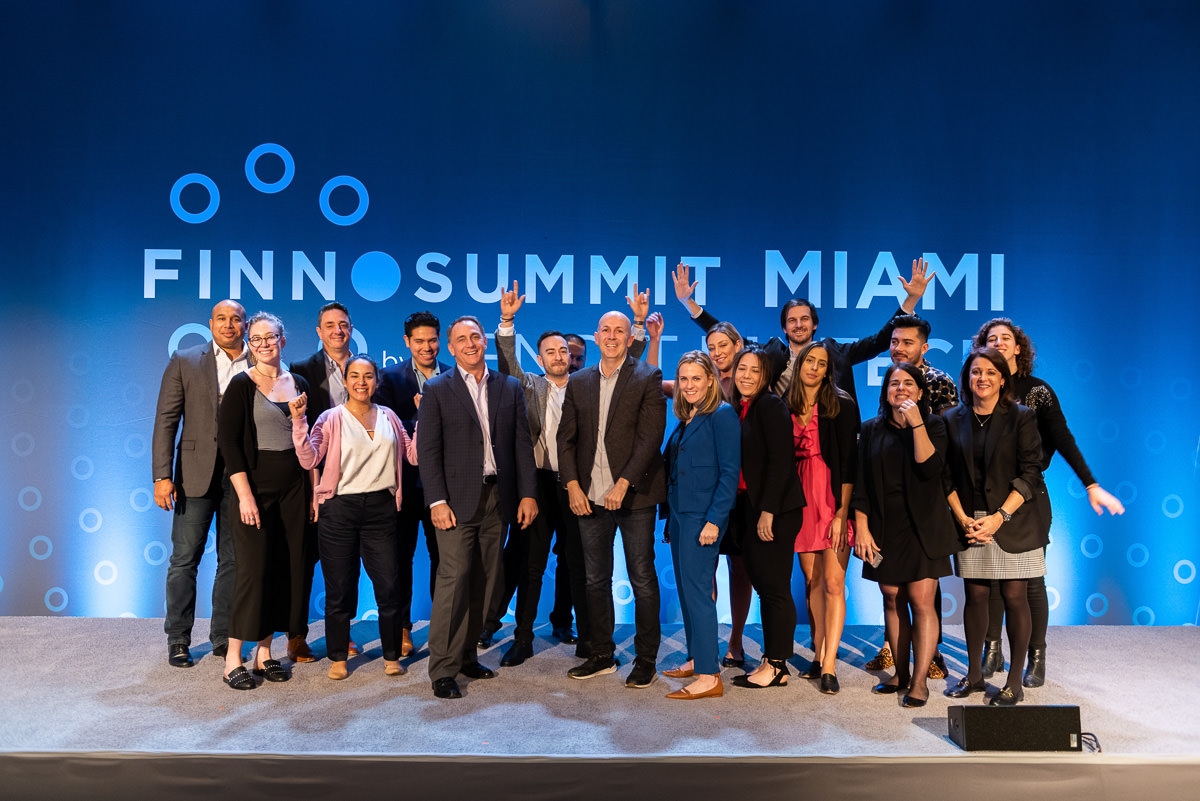
Event Photography Pricing Overview 2026
Professional event photography in 2026 spans a wide range of rates — reflecting significant differences in photographer experience, equipment quality, project complexity, and the type of licensing included. Understanding how pricing is structured, and what drives variation between tiers, is essential to making smart hiring decisions that deliver real value for your investment.
The most important principle of photography pricing is that you are paying for expertise and outcomes, not just time. An experienced event photography specialist brings not just a camera and technical skill, but a deep understanding of the specific challenges, creative requirements, and production variables unique to their specialty. That depth of knowledge is what produces consistently professional results — and it's what separates the professionals who are worth the premium from those who simply charge more.
ProShoot.io connects clients with verified event photography professionals who have transparent pricing, proven portfolios, and real client reviews — so you can compare intelligently and book with full confidence.
Event Photography Photography Pricing Tiers 2026
Most event photography photographers organize their pricing into four general tiers. Here's what each level delivers and who it's best suited for:
Budget
Entry-level. Consumer events. Limited equipment. Variable quality and consistency.
Mid-Range
Professional. Corporate events, galas. Reliable quality. 2–3 hr minimum.
Premium
Established commercial. Major conferences, press events. Advanced lighting capabilities.
Elite
Top commercial photographers. Editorial publication coverage. Celebrity or executive events.
Full Event Photography Rates Breakdown
The following table shows what's typically included at each pricing tier for event photography in 2026. Use this as a baseline when evaluating quotes from any photographer.
| What's Included | Budget | Mid-Range | Premium | Elite |
|---|---|---|---|---|
| Minimum Booking | 1–2 hrs | 2–3 hrs | 3–4 hrs | Half-day minimum |
| Images Delivered | 100–200 | 200–400 | 400–600 | 600+ |
| Turnaround | 1–2 weeks | 48–72 hrs | 24–48 hrs | Same-day available |
| Second Shooter | No | Add-on | Add-on or included | Often included |
| Commercial License | Limited | Standard business | Full commercial | Full commercial |
| Retouching Depth | Basic | Professional | Advanced | Editorial |
| Equipment Level | Consumer/prosumer | Professional | Full pro kit | Cinema-grade |
8 Factors That Affect Event Photography Pricing
These are the primary variables that drive price differences between event photography quotes. Understanding each one helps you interpret quotes accurately and ask the right questions when comparing photographers.
| Pricing Factor | Impact Level | Notes |
|---|---|---|
| Photographer Experience Level | Very High | Primary cost driver. Entry-level to editorial spans a 5–7x price range. |
| Event Duration | High | Most photographers have a minimum booking. Additional hours add proportionally. |
| Turnaround Speed | High | Next-day or same-day delivery adds significant premium. Plan timeline in advance. |
| Number of Photographers | High | Large venues or multiple simultaneous activities require a second or third shooter. |
| Commercial Usage Rights | Medium | Marketing use vs. internal documentation carry different licensing requirements. |
| Geographic Market | Medium | NYC, LA, San Francisco command 30–60% premium over mid-size US markets. |
| Event Complexity | Medium | Outdoor events, multi-venue locations, challenging lighting conditions add complexity. |
| Rush Booking | Low–Medium | Events booked less than 48–72 hours out may carry a last-minute premium. |
What's Included at Each Event Photography Pricing Tier
Understanding what you actually receive for each price level — beyond the headline rate — is the most important factor in making a good hiring decision. Here's what clients typically receive at each tier:
Budget Tier ($150–$250/hr): What You Get
Budget event photographers are typically newer professionals with limited commercial experience. Coverage is adequate for casual social events, small internal company gatherings, or low-stakes occasions. Technical capability with challenging lighting — mixed ambient and flash, dark reception venues, fast-moving candid moments — is limited at this tier. For events where the images will be used publicly or professionally, budget tier photographers carry meaningful quality risk.
Mid-Range Tier ($300–$500/hr): What You Get
The mid-range tier delivers reliable professional quality for most corporate and social events. An experienced photographer handles varied lighting conditions, manages a crowd, and delivers 200–400 professionally edited images within 48–72 hours. This tier covers corporate dinners, galas, product launches, trade show coverage, nonprofit fundraisers, and most social events at a fully professional standard.
Premium Tier ($500–$900/hr): What You Get
Premium event photographers bring advanced lighting equipment, the ability to work at large-scale events across multiple rooms, and extensive commercial client experience. They deliver faster (often 24–48 hours), more images, and editorial-quality results. This tier is appropriate for major corporate conferences, press events, celebrity appearances, or any event where images will appear in major publications.
Elite Tier ($1,000+/hr): What You Get
Elite event photographers work with major brands, Fortune 500 companies, and publication clients. They bring production teams, advanced lighting systems, same-day delivery capabilities, and the ability to capture events at any scale or complexity. This tier is reserved for flagship brand events, major product launches, and situations where photography quality is a meaningful competitive differentiator.
How to Compare Event Photography Photography Quotes
Getting multiple quotes gives you a realistic picture of the market and ensures you're making an informed decision. Here's how professional buyers compare event photography photography quotes effectively:
- Confirm the minimum booking requirement. Most event photographers have a 2–4 hour minimum. Factor this into your total cost comparison.
- Clarify turnaround time upfront. If you need images for social media the next day, confirm that's within the photographer's standard delivery or negotiate rush delivery terms.
- Ask how images are organized and delivered. Online gallery? Dropbox? USB? Resolution options for both web and print? Professional photographers have clear, consistent delivery systems.
- Request to see work from comparable events. Corporate conference photography requires different skills than wedding or portrait work. Review relevant portfolio samples only.
- Check licensing terms for marketing use. If event photos will appear in press releases, marketing materials, or paid advertising, confirm that commercial use is covered.
- Ask about second shooter availability and cost. For events with 200+ attendees or multiple simultaneous activities, a second shooter is often essential.
"The clients who get the best results from their event photography photographer are those who invest time in a clear brief and choose based on portfolio quality and communication, not just price." — ProShoot.io Editorial Team
Red Flags When Hiring a Event Photography Photographer
- No portfolio from comparable event types. Event photography requires specific skills — crowd management, varied lighting, fast-moving candids. Verify relevant experience.
- Vague turnaround promises. 'You'll have them soon' is not acceptable. Get a specific delivery date in the contract.
- No second shooter option for large events. Any photographer who says one person is enough for an event of 300+ guests without a second shooter is either overconfident or inexperienced.
- No commercial licensing terms. If the images will be used in any marketing context, you need clear written licensing terms.
- No backup equipment. Equipment failure during an event is catastrophic. Ask specifically what backup systems they carry.
- No insurance. Event venues increasingly require proof of professional liability insurance from vendors. Confirm before booking.
Event Photography Photography Regional Price Variations
Geographic market significantly affects event photography photography pricing. Here are benchmark rates by market tier for 2026:
| Market | Budget Range | Mid-Range Typical | Notes |
|---|---|---|---|
| New York City / Los Angeles | $300–$500/hr | $600–$1,000/hr | Highest US rates. Strong corporate event market. |
| Chicago / Miami / San Francisco | $250–$400/hr | $500–$800/hr | Major corporate event markets. Strong demand year-round. |
| Austin / Nashville / Denver | $225–$375/hr | $400–$700/hr | Growing markets. Good quality available at mid-range. |
| Phoenix / Dallas / Atlanta | $200–$350/hr | $350–$600/hr | Competitive mid-size markets with good value tiers. |
| Indianapolis / Columbus / Louisville | $175–$300/hr | $300–$500/hr | Lower cost of living. Strong value at professional tier. |
Frequently Asked Questions
How much does event photography cost per hour in 2026?
Event photography rates in 2026 typically run $150–$250/hr for budget options and $500–$1,000+/hr for premium commercial photographers. The most common professional rate for corporate and social events is $300–$500/hr, with a 2–4 hour minimum booking.
How many photos does an event photographer take per hour?
A professional event photographer typically captures 200–400 raw images per hour, delivering 100–200 final edited images per hour of coverage after culling and editing. Final delivery count depends on event type, density of activity, and the photographer's shooting style.
Do event photographers provide same-day image delivery?
Some photographers offer same-day or next-day delivery at a premium — typically 30–50% above standard rates. Standard event photography turnaround is 48–72 hours for most professionals. Plan your delivery requirements in advance so they can be built into your agreement.
Should I hire one or two event photographers?
For events under 100 guests with a single focus area, one photographer is typically sufficient. For events of 200+ guests, multiple rooms or simultaneous activities, or any event where missing moments is unacceptable, a second shooter is strongly recommended. Most event photographers can recommend a trusted second shooter.
What is typically included in an event photography package?
A standard event photography package includes coverage time, photo editing and culling, digital delivery via online gallery or file transfer, and a standard commercial license. Some packages include a second shooter or printed products. Always confirm exactly what's included in your quote.
How far in advance should I book an event photographer?
For most events, booking 4–8 weeks in advance ensures good availability. For major events, conferences, or galas on peak dates, book 8–12 weeks out. Last-minute bookings (under 1 week) may carry rush premiums or leave you with limited quality options.
What is the minimum booking time for event photographers?
Most professional event photographers have a minimum booking of 2–4 hours. This reflects the time required for setup, coverage, and a meaningful body of work. Very short bookings (1 hour or under) are rarely offered except at budget tier.
Can I use event photos for marketing and social media?
Standard commercial event photography licenses cover use in company marketing materials, social media, press releases, and website content. If photos will be used in paid advertising, national campaigns, or licensing to third parties, confirm that extended commercial rights are included in your contract.
Does location affect event photography pricing?
Yes — event photography rates vary significantly by city. Photographers in New York, San Francisco, and Los Angeles typically charge 40–70% more than comparable professionals in mid-size markets, reflecting higher costs of living, stronger corporate event demand, and greater competition at the premium end. Events held in remote venues or locations that require significant travel from the photographer's base will incur travel fees — mileage, time, or overnight accommodation — billed in addition to the photography rate. Always confirm whether your event location involves travel costs before finalizing a quote.
Are event photography deposits refundable if I cancel?
In most cases, no. Event photography deposits (typically 25–50% of the total) are non-refundable retainers that compensate the photographer for holding your date and declining other work. Cancellations made well in advance — typically 30 or more days out — may be eligible for partial credit or reschedule at the photographer's discretion. Last-minute cancellations (less than 72 hours) rarely receive any refund. For large corporate events, some photographers are willing to negotiate cancellation terms as part of the contract. Review the policy carefully and get it in writing before booking.
What is typically included in an event photography package?
A standard event photography package includes the agreed coverage hours, on-site shooting with professional equipment, post-production editing and culling of final deliverable images, and digital delivery via a password-protected online gallery or secure file transfer. The number of edited final images varies by package and event type — expect 80–150 polished images per hour of coverage for a professionally paced corporate event. Some packages include a second shooter for multi-room or high-attendance events, or expedited 24–48 hour delivery. Always confirm these details in writing, as what's included varies considerably from one photographer to the next.
How do I brief an event photographer for the best results?
A thorough pre-event brief is the most effective thing you can do to improve results. Your brief should include: the event schedule with key moments to capture (speeches, award presentations, specific networking sessions); a venue walkthrough or floor plan so the photographer can plan lighting and positioning; a list of VIPs or key people who must be photographed; your intended use for the images (social media, press, marketing collateral, annual report); and any restrictions on photography at the venue. Share this brief at least one week before the event — not on the day — so the photographer can prepare and ask clarifying questions in advance.
Regional Price Variations
Event photography rates differ substantially across US cities, driven by demand from corporate, nonprofit, and social event markets in each area, as well as local cost of living and studio overhead. The table below shows typical rates for professional event photography coverage across eight major US markets in 2026. Rates shown are per hour for a single experienced photographer with standard commercial delivery.
| City | Budget Rate | Professional Rate | Premium Rate | Market Notes |
|---|---|---|---|---|
| New York City, NY | $225–$350/hr | $450–$750/hr | $1,000+/hr | Strong corporate event and gala market; high demand year-round |
| Los Angeles, CA | $200–$325/hr | $400–$700/hr | $900+/hr | Entertainment industry events; brand activations drive premium |
| Chicago, IL | $175–$275/hr | $350–$600/hr | $800+/hr | Active convention and corporate conference market |
| Dallas, TX | $150–$250/hr | $325–$550/hr | $750+/hr | Large corporate and nonprofit event market; competitive mid-tier |
| Miami, FL | $175–$275/hr | $375–$625/hr | $850+/hr | Hospitality, luxury, and lifestyle events drive premium rates |
| Austin, TX | $150–$240/hr | $300–$525/hr | $700+/hr | Tech conferences and SXSW-adjacent events boost seasonal demand |
| Seattle, WA | $175–$275/hr | $350–$600/hr | $800+/hr | Tech company events a major segment; steady corporate demand |
| Denver, CO | $150–$240/hr | $300–$525/hr | $700+/hr | Growing convention market; outdoor events and retreats popular |